Parker Lorenz · 5 October 2026
Innovations in Fastening Methods for Valuables Kept in Upper Building Compartments Amidst Changing Wind Dynamics
Upper building compartments such as attics and roof voids have long served as storage areas for valuables, yet shifting wind patterns driven by broader climate trends have prompted engineers and materials scientists to develop new approaches to securing those items. Data from meteorological agencies shows that wind speeds in many regions have increased in variability since the early 2000s, with gust patterns becoming less predictable during seasonal transitions. Researchers at institutions across North America and Europe have documented how these changes create dynamic pressure differentials that can dislodge conventional storage setups over time.
Mapping Wind Pattern Shifts in Recent Years
Observations compiled by the Australian Bureau of Meteorology indicate that altered jet stream behaviors have led to more frequent high-velocity events reaching upper floors of residential structures in coastal zones. Similar findings from Environment and Climate Change Canada highlight increased turbulence in prairie provinces during autumn months. These measurements demonstrate that standard shelving and box arrangements often fail when sustained lateral forces exceed historical norms, leading to shifted contents and occasional structural stress on ceiling joists.
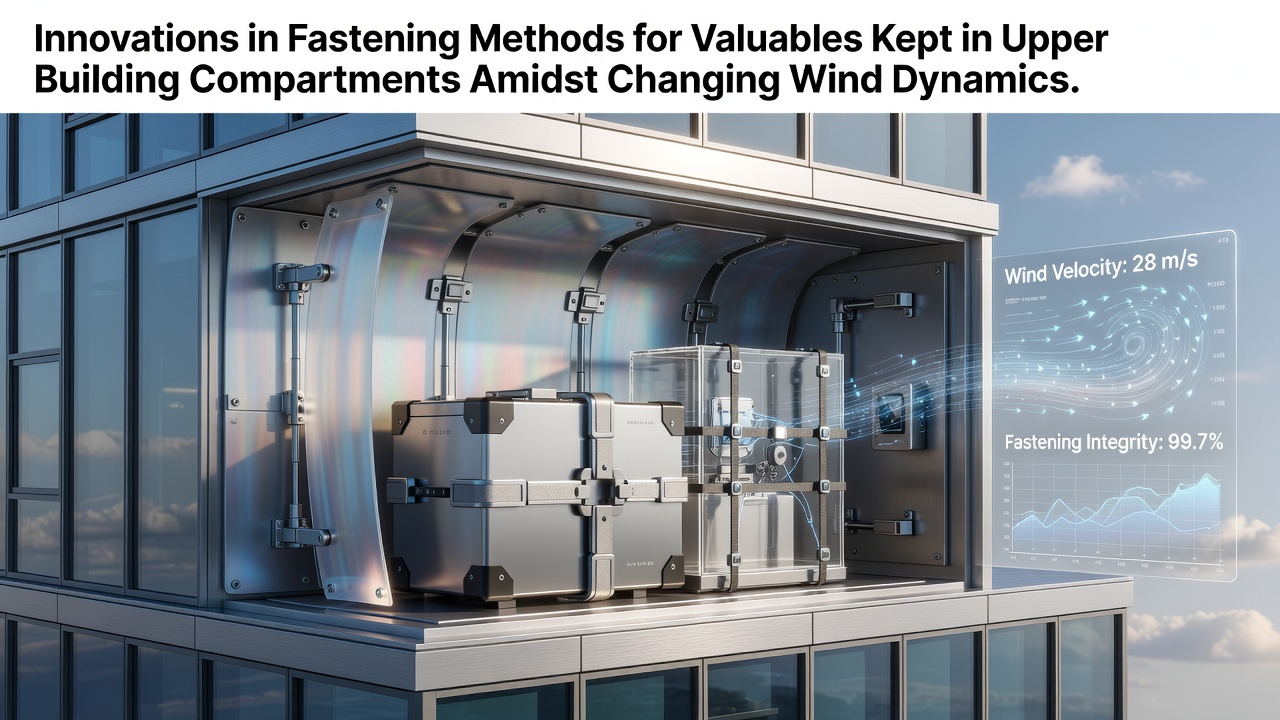
Engineers have responded by focusing on fastening systems that adapt to fluctuating loads rather than resisting them through rigid strength alone. One approach involves modular rail systems anchored directly to rafters with tension-adjustable clamps made from composite alloys. These rails allow containers to slide slightly under extreme gusts before returning to position, which distributes force across multiple attachment points instead of concentrating it at single spots.
Material Advances in Attachment Hardware
Polymer-based straps reinforced with aramid fibers have entered commercial use in several pilot programs across the United States Midwest. Laboratory tests conducted at Purdue University in 2025 measured their performance under cyclic loading that simulates repeated wind direction changes, revealing retention rates above 95 percent after 500 cycles. Such straps integrate with quick-release buckles that permit homeowners to access stored items without tools while maintaining consistent tension.
Another development uses embedded sensors within anchor points to monitor vibration frequencies. When readings exceed preset thresholds, the system can trigger alerts through connected home networks, giving residents time to inspect compartments before damage occurs. Pilot installations in parts of Scandinavia during late 2025 demonstrated reliable data transmission even through thick insulation layers.
Integration with Building Design Updates
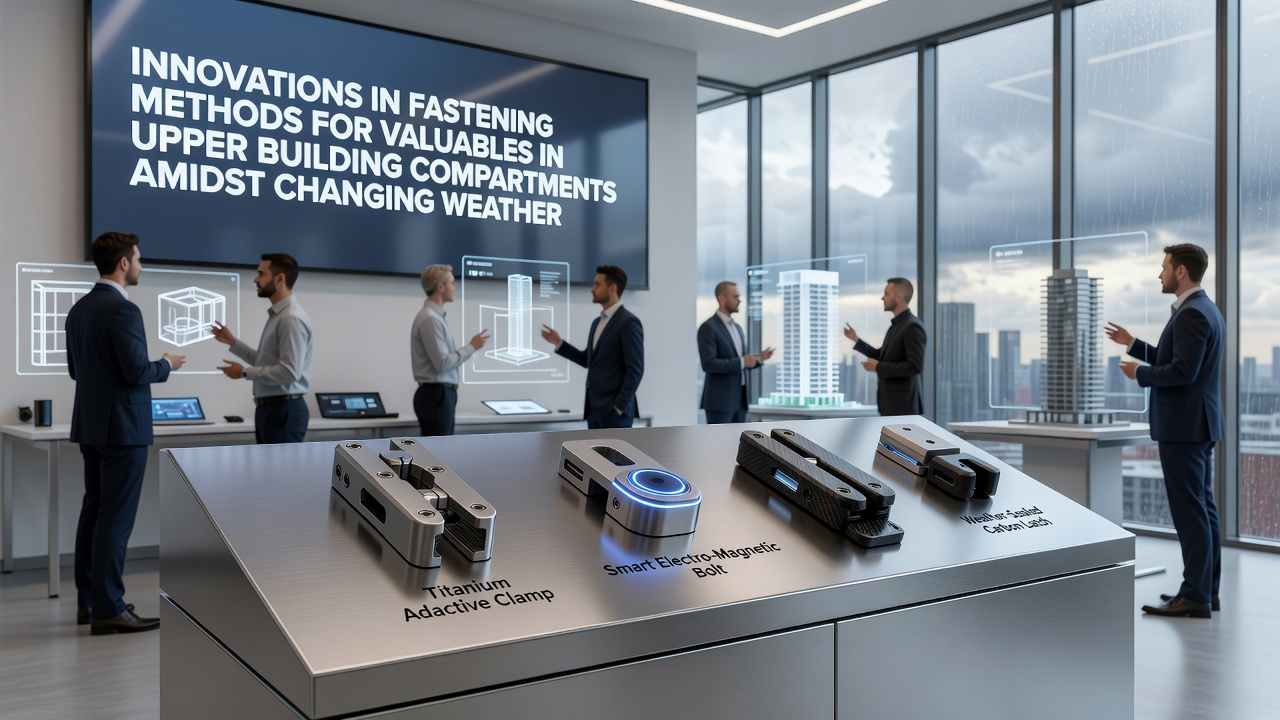
Building codes in select jurisdictions now reference updated wind load calculations that account for projected increases through 2030. Architects have begun incorporating recessed channels along attic perimeters during new construction, creating dedicated pathways for fastening hardware that avoid interference with insulation performance. Retrofit kits designed for existing homes utilize adhesive-backed plates combined with mechanical fasteners rated for multi-directional stress.
Studies published in the Journal of Wind Engineering and Industrial Aerodynamics during 2024 examined how aerodynamic fairings placed around storage clusters can reduce effective wind pressure by redirecting airflow. These fairings, constructed from lightweight recycled composites, attach via the same rail systems mentioned earlier and have shown consistent results in wind tunnel simulations replicating October storm conditions typical in temperate zones.
Case Examples from Field Applications
Property owners in parts of New Zealand reported successful implementation of hybrid fastening kits that combine magnetic base plates with adjustable webbing. After a series of spring wind events in 2026, none of the monitored installations experienced displacement, according to follow-up surveys conducted by local engineering firms. Similar programs in the United Kingdom have tested inflatable cushion inserts that fill gaps between containers, adding frictional resistance without adding significant weight.
October 2026 marks the scheduled release of revised guidelines from the International Association for Wind Engineering, which will incorporate datasets gathered from the previous two seasons across multiple continents. These guidelines are expected to influence product certification standards for attic storage hardware sold in export markets.
Future Directions in Adaptive Systems
Research teams continue exploring shape-memory alloys that alter stiffness based on temperature and load conditions, potentially allowing fasteners to tighten automatically during detected wind shifts. Early prototypes tested at Delft University of Technology show promise for integration with existing sensor networks, though scaling production remains an ongoing focus. Parallel work at Japanese universities examines bio-inspired gripping surfaces modeled on gecko adhesion principles, adapted for porous wood surfaces common in older roof structures.
Collectively these innovations reflect coordinated efforts among materials suppliers, meteorological services, and building professionals to address evolving environmental pressures on upper compartment storage. Continued monitoring through established research networks will determine which methods achieve widespread adoption in coming years.
Conclusion
Fastening innovations for valuables in upper building compartments continue to evolve alongside documented changes in wind dynamics, drawing on data from global monitoring programs and laboratory validation. Systems now emphasize flexibility, real-time monitoring, and compatibility with varied building types, supported by standards updates expected in late 2026. These developments provide measurable improvements in retention performance under variable conditions while maintaining accessibility for regular use.