Parker Lorenz · 19 October 2026
Seasonal Adjustments in Binding Practices for Possessions Located in Peak Storage Areas
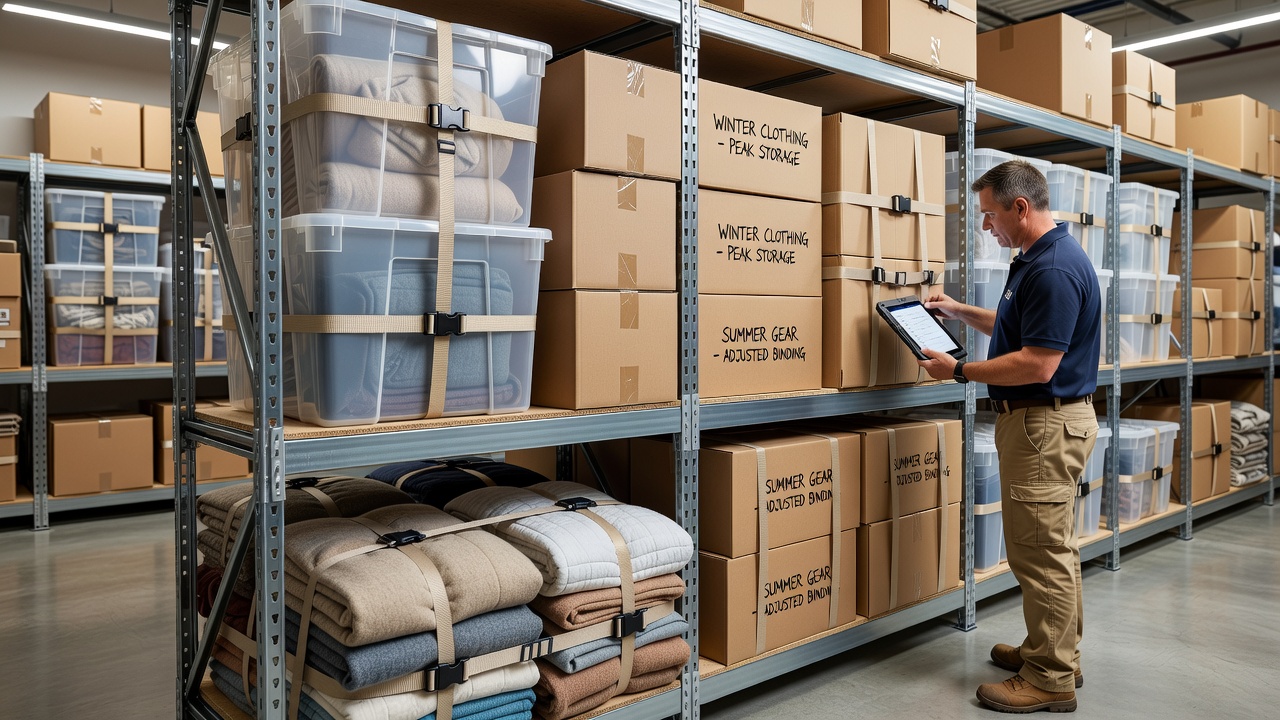
Peak storage areas such as attics and upper building compartments experience distinct environmental shifts across seasons and these changes influence how possessions stay secured through binding methods that adapt to temperature swings and moisture variations. Researchers have documented that materials like synthetic straps and natural fiber ropes expand or contract differently depending on humidity levels with summer months often bringing higher moisture that can loosen knots while winter conditions introduce dryness that tightens connections and increases stress points on fasteners.
Environmental Factors in Elevated Storage Zones
Data from building performance studies indicate that peak areas absorb heat rapidly during warmer periods and retain cold during colder ones which creates cycles of material fatigue in binding components. Observers note that possessions like seasonal clothing containers and archived documents shift position slightly when bindings fail to account for these cycles and this movement leads to uneven weight distribution over time. Figures reveal that humidity in many regions rises by 20 to 30 percent between spring and summer prompting adjustments in tension settings for straps that hold boxes and furniture pieces in place.
Those who monitor storage conditions track how wooden beams and support structures contract in dry fall air and this contraction alters the anchor points where bindings attach. Experts have recorded cases where metal clips corrode faster under combined heat and residual moisture from prior seasons and such corrosion weakens the overall system unless users replace or treat the hardware before the next cycle begins.
Techniques for Spring and Summer Periods
During spring transitions people often inspect bindings for signs of mildew growth that develops when temperatures climb above 15 degrees Celsius and moisture lingers in enclosed spaces. Adjustments include loosening certain tension points on rope systems to prevent over-compression of soft goods while tightening others that secure heavier items against potential settling. Studies conducted by storage safety groups show that rechecking these connections every six weeks during peak humidity months reduces displacement incidents by measurable margins.
One documented example involved a household that switched from cotton cords to coated polyester ties before the summer season and this change maintained consistent hold despite daily temperature fluctuations of up to 25 degrees. Workers in professional organizing services report similar patterns where layered binding strategies such as combining ratchet straps with secondary elastic cords handle the expansion of plastic storage bins more effectively than single-method approaches.
Adaptations for Autumn and Winter Conditions
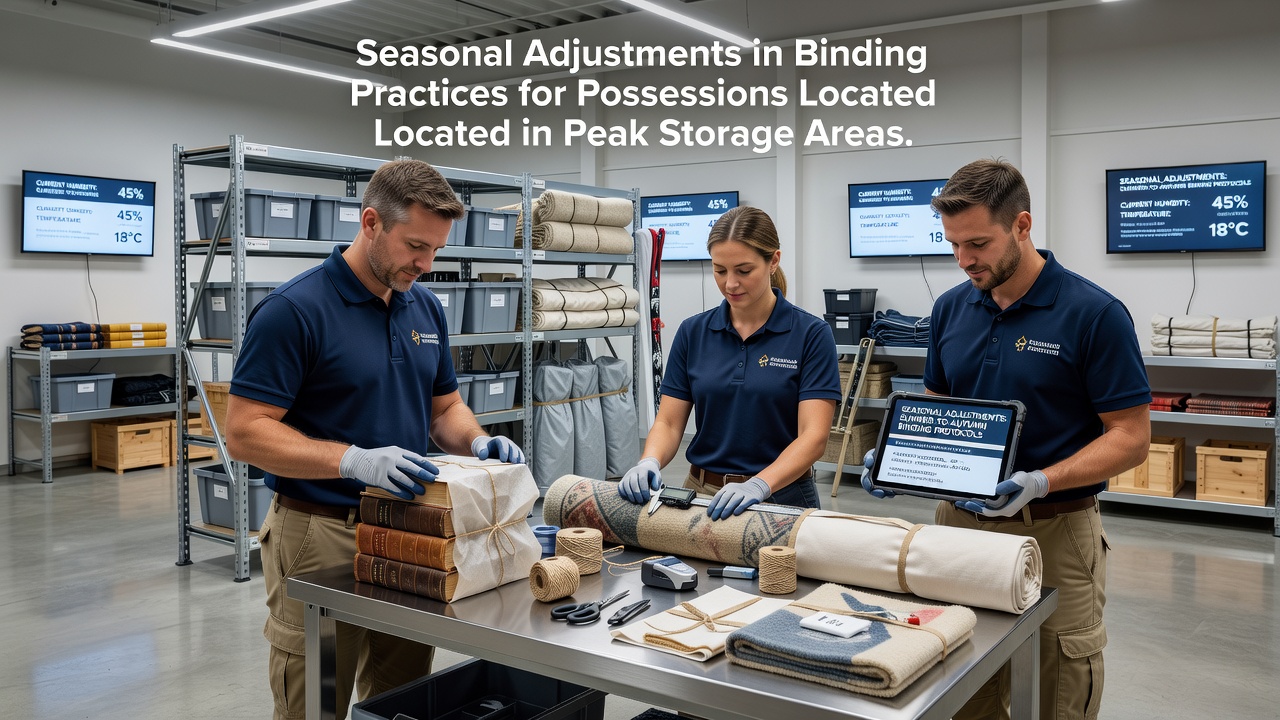
As October 2026 approaches many households begin preparing bindings for the dry air that arrives with cooler temperatures and this preparation often involves adding protective sleeves around metal components to guard against condensation that forms during sudden weather shifts. Research indicates that bindings left at summer tension levels can become overly rigid once indoor heating activates and this rigidity creates fracture risks at knot locations or clip joints. People address the issue by gradually increasing slack in key areas while reinforcing primary anchors with additional wraps of weather-resistant tape.
Regional reports from Canadian safety authorities highlight that winter binding reviews focus on load distribution because frozen surfaces inside storage zones reduce friction between items and floors. Adjusters therefore reposition straps to create cross-bracing patterns that limit lateral movement when external temperatures drop below freezing for extended periods.
Standards and Practical Guidelines
According to guidelines issued by Safe Work Australia storage operators should evaluate binding materials every season against published load limits that account for environmental degradation and these evaluations help maintain structural integrity without requiring full system replacement. Industry reports from the European Agency for Safety and Health at Work similarly emphasize periodic audits of fastening hardware in elevated areas where temperature differentials exceed 10 degrees Celsius between day and night.
Practical application often follows a checklist format that lists inspection dates material types and tension measurements recorded at the start of each season. This approach allows users to compare data across years and identify when replacements become necessary before failures occur during high-traffic retrieval periods.
Conclusion
Seasonal adjustments in binding practices for possessions in peak storage areas rely on consistent monitoring of material responses to temperature and humidity changes combined with targeted modifications to tension and hardware selection. Data shows that proactive shifts in technique across spring summer autumn and winter reduce movement related damage while supporting long term organization of stored items. Observers continue to refine these methods through accumulated records that guide future practices in varied building environments.